By Eileen Zhuge, @eileenzhuge | Winston Churchill High School, MD
Most competitors walk out of a judging room thinking about their score. The best competitors walk out thinking about their feedback.
In DECA, feedback isn’t just commentary on a performance; it’s a foundation for improvement. Every note from a judge reveals what worked, what didn’t and what could transform an average presentation into a winning one.
The competitors who learn to analyze and apply feedback gain something far more valuable than a single high score: a long-term competitive advantage.
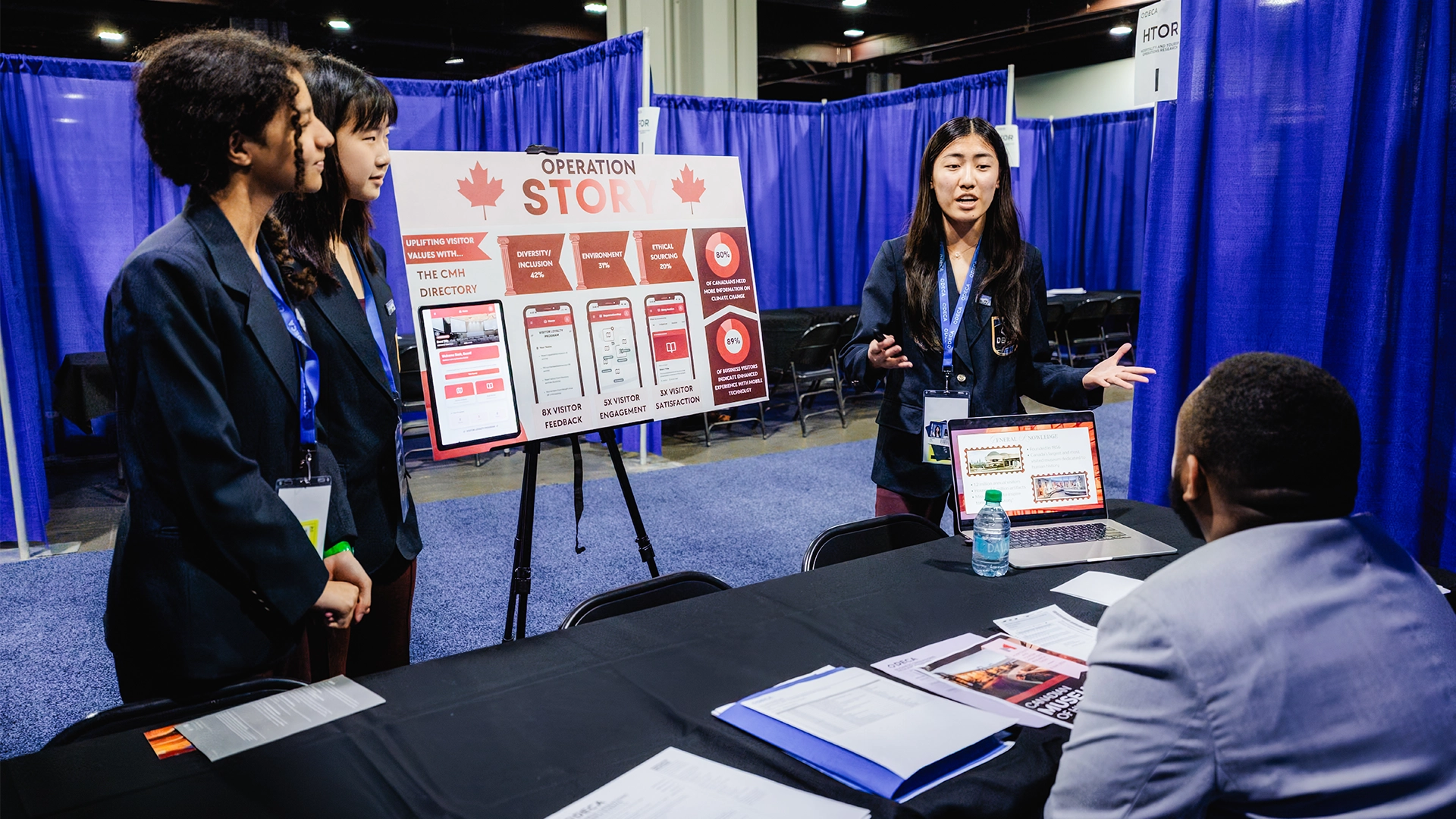
I joined DECA just last year as a first-year member, completely lost. My first competition was regionals in December of 2024, and my partner and I had absolutely no idea what we were doing. We walked into our role-play confused and lacking the confidence that competitive events demand. We weren’t professional, structured or particularly business-minded in how we presented our ideas. When the results came back, we received a D: a 68 on our role-play score.
At the time, it felt incredibly discouraging. But looking back, that moment became the most important turning point in our DECA journey. Instead of brushing off our judges' feedback, we studied every comment they gave us. We began incorporating more marketing “P’s” into our solutions, expanded beyond basic suggestions, added personal touches that made our strategies more customer-focused, and, most importantly, explained our ideas with more confidence. Two months later, that shift paid off: we went from a 68 at regionals to placing first at states. Then, another two months after that, we walked across the ICDC stage with a Top 10 role-play score.
This experience taught me that feedback can completely change a competitor’s season. But my partner and I aren’t the only ones who have experienced that transformation.
.png)
Winston Churchill DECA members Ethan Grynaviski and Flora Tsui had a strikingly similar journey this year.
After not placing at regionals, they took their judges’ feedback seriously and returned stronger than ever. Just a few months later, they stood on stage at states after earning first place in their event.
I had the chance to talk with Ethan and Flora to learn more about their experience.
Let’s hear what they had to say:
At regionals, what is one experience that really helped you improve moving forward?
“At regionals, we realized that having a really unique solution is key to standing out to judges. We also learned how important it is to manage the limited prep time effectively.”
What is one specific piece of advice from your judge that really stuck with you?
“One piece of feedback that really helped us was about using visuals more intentionally and integrating them smoothly into our presentation. Our judge also suggested that we address the performance indicators in a chronological order so it’s easier to follow our ideas.”
What advice would you give to someone who didn’t place and might be feeling discouraged?
“Try to stay confident during your presentation and spend time reviewing common performance indicators before competing. Always remember: every competition is an opportunity to learn and improve!”