Success at DECA's International Career Development Conference initially felt shrouded in mystery, with glass winners’ performances reserved for the judges who graded them. As Virginia DECA’s Vice President of Career Development, I launched the ICDC Insider Panel series to close the gap in uncertainty.
With an average of 74 attendees nationwide, these panels used discussions, interactive preparation, and Q&A to connect members with elite strategies. This article provides insights on soft skills, project management, and presenting from four panelists:
- Ruhi Sharma, 1st PMCA, 3rd IMC-Product
- Avery Denis, 2nd IMC-Event
- Mason Saint Jean, 3rd PMCA
- Lynda DuBrow, 2nd, 6th PMCG.
Rubric Updates
Every strategy below is scored on DECA Inc.’s Presentation Evaluation Form, which is worth 100 points. Seventy-five of those are Presentation Content, the five criteria specific to your event, and 25 are Presentation Technique: Organization, Effectiveness, Delivery, Presentation Design,and Overall Impression.
Essential Soft Skills for Every Event and Beyond
- Embody the Executive: Have confidence as if you are the character. Believing in your prepared event inherently makes you more persuasive.
- Your Energy is Contagious: Be enthusiastic and have a genuine smile.
- Make Eye Contact: This is a great way to signal confidence.
- Speak Slower and Pause: Avoiding filler words is another way to signal executive presence.
- Ask Rhetorical Questions: This will help keep your judge engaged.
- Stay Resilient and Give Yourself Grace: Don’t let a stutter or imperfection faze you.
How to apply this: record your mock competitions and watch for mannerisms, tone, inflection, and filler words you can improve.
Be Unforgettable: Capture the Judge’s Attention
Hook your judge with an unexpected statement or a compelling story that establishes your purpose. Be unique and vivid in your storytelling so that you are memorable to the judge, no matter what your time slot is. Judges buy into stories with impact and passion over a data dump.
Example: Mason opened his presentation with, “Would you let your child smoke 15 cigarettes a day?” immediately catching the judge off guard. He then cited the Public Health Advisory, which states that chronic loneliness has comparable negative health effects. By combining an attention-grabbing opening with evidence-backed insight, Mason created a memorable introduction that framed the importance of his project.
Example: Lynda began by saying, “Since we were little, we’ve all heard stories of great heroes.” She then connected this to her inspiration from blood donors, particularly her mom. By framing her project as a story of heroism and service, she immediately showcased purpose. At the end, she tied the narrative back to the project, creating a full-circle moment that left a lasting impression.
In the new rubric, this is Effectiveness or “presentation effectively persuades, informs, or inspires by communicating a clear message.” It is worth five points on its own, but a hook sustains the judge’s attention for the 75 points of content that follow.
Build Credibility with Real-World Evidence
- Reach out to real industry professionals to learn how they tracked their data, and mirror that approach in your presentation.
- Set SMART goals and show measurable impact.
- Obtain certificates in project management and skills related to your project to show commitment and that you are an emerging professional leader, not just a student.
Example: Mason’s team got a Hootsuite project management certification.
This is where the 75 points live. The Presentation Content criteria ask you to prove measurable outcomes - Project Management events are scored on Monitoring and Controlling and on Closing the Project, and Operations Research events on Impact and Measurement, each worth 15 points. Your KPIs, your variances, and what you would change next time account for a significant portion of your score.
Cultivate a Dream Team: Collaboration Matters
- Pick people you have chemistry with, who complement each other's strengths and weaknesses, and match your work ethic and commitment.
- Set dedicated schedules to ensure accountability.
Visuals: Bring Your Project to Life
Visuals communicate professionalism, tone, and credibility.
- Your visuals should have a thoughtful, cohesive theme that contributes to your project.
- Simple and clean is better than cluttered.
- If you are partnering with an organization, match your aesthetic, colors, and fonts to the organization's branding, or match the design to the cause.
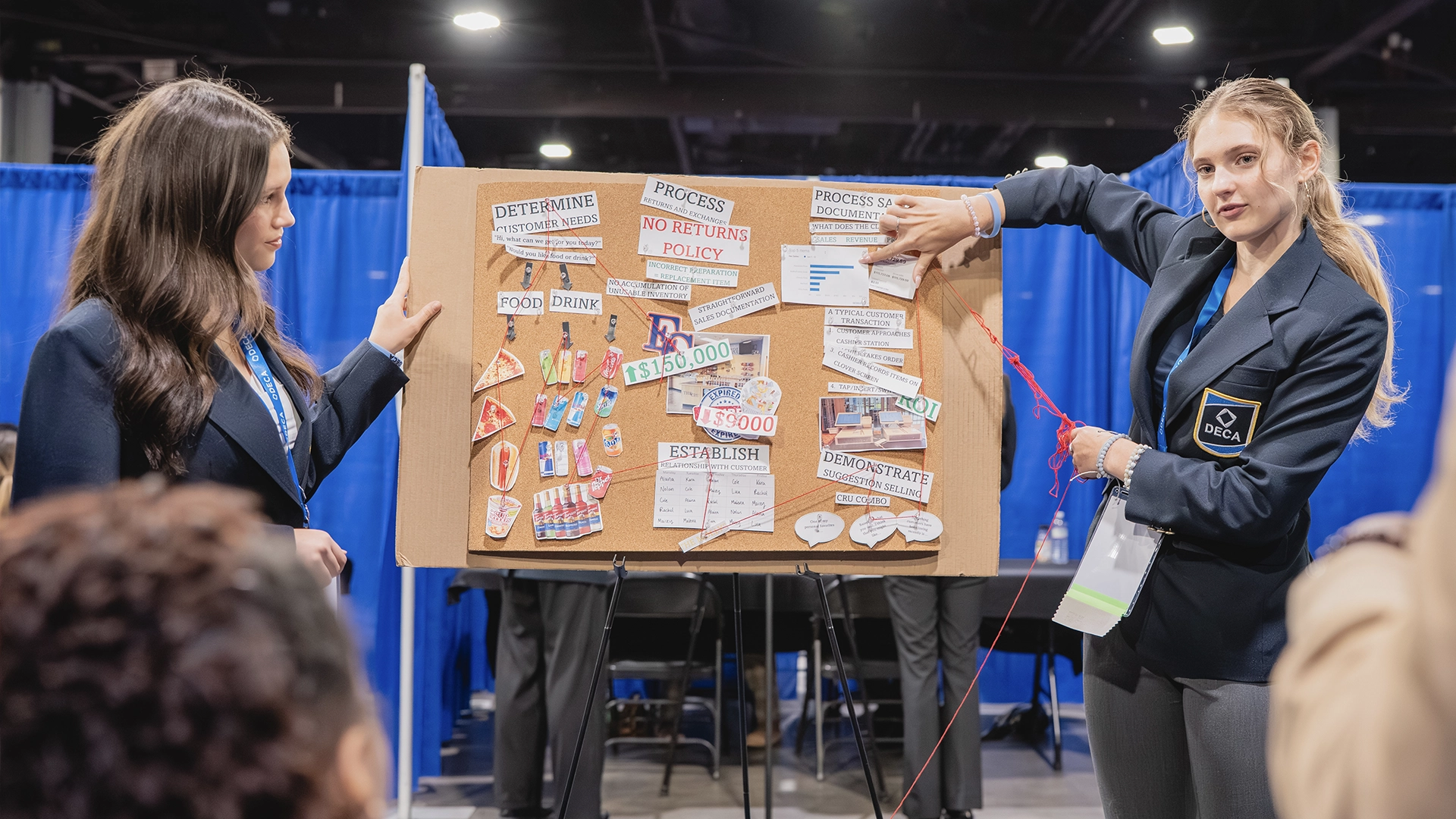
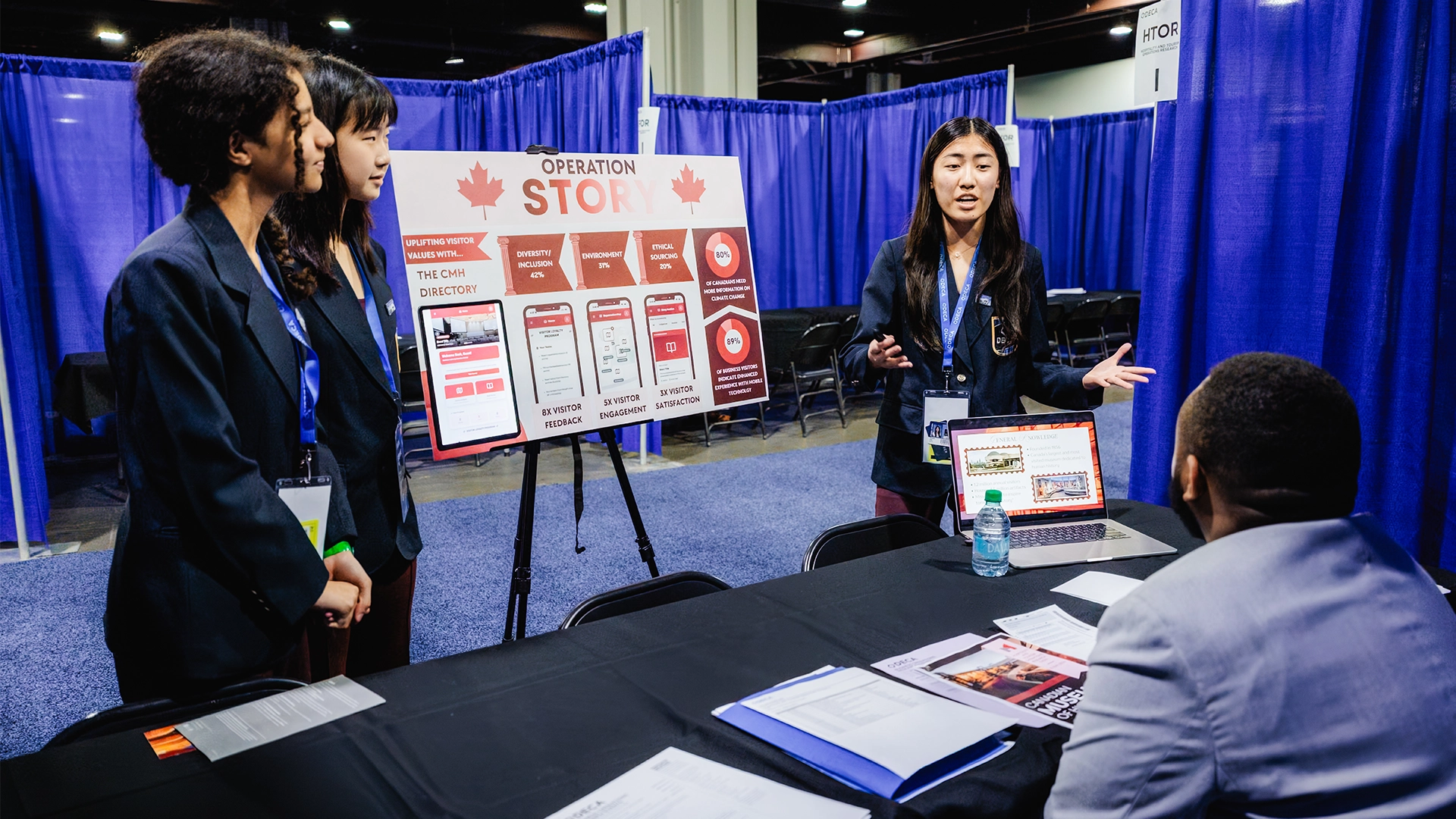
- Most of the glass winners revealed two to three props progressively to direct the judge’s attention. Many of the finalists had handouts and a poster with hinges.
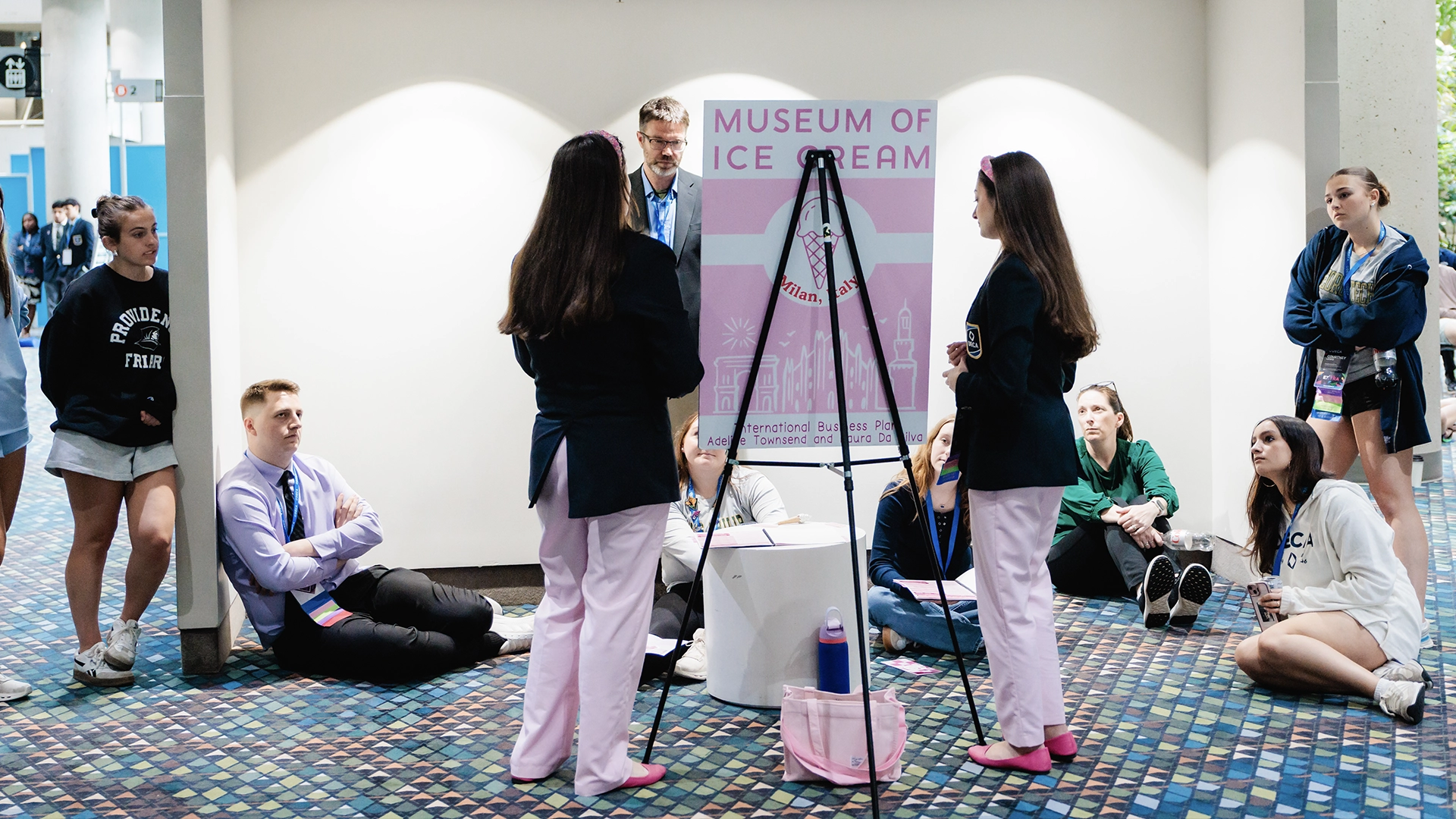
Example: Avery did pink for breast cancer, and Lynda did a superhero theme for her blood drive.
Presentation Design is now its own scoring line, worth 5 points: your visual aids and themes should be used throughout, be appropriate and professional, and add value.
Presentation Delivery & Scripting: Preparedness = Confidence and Composure
Draft your talking points and scripts early so you feel confident and prepared. Memorize your content and talking points, but be conversational and natural. Some of the finalists memorized their script months in advance, while others memorized it the days leading up to the presentation.
Using these techniques contributes to the Delivery and Organization sections, which are five points each, and Overall Impression or “demonstrates overall career readiness through professionalism, poise, and confidence,” which is another five points.
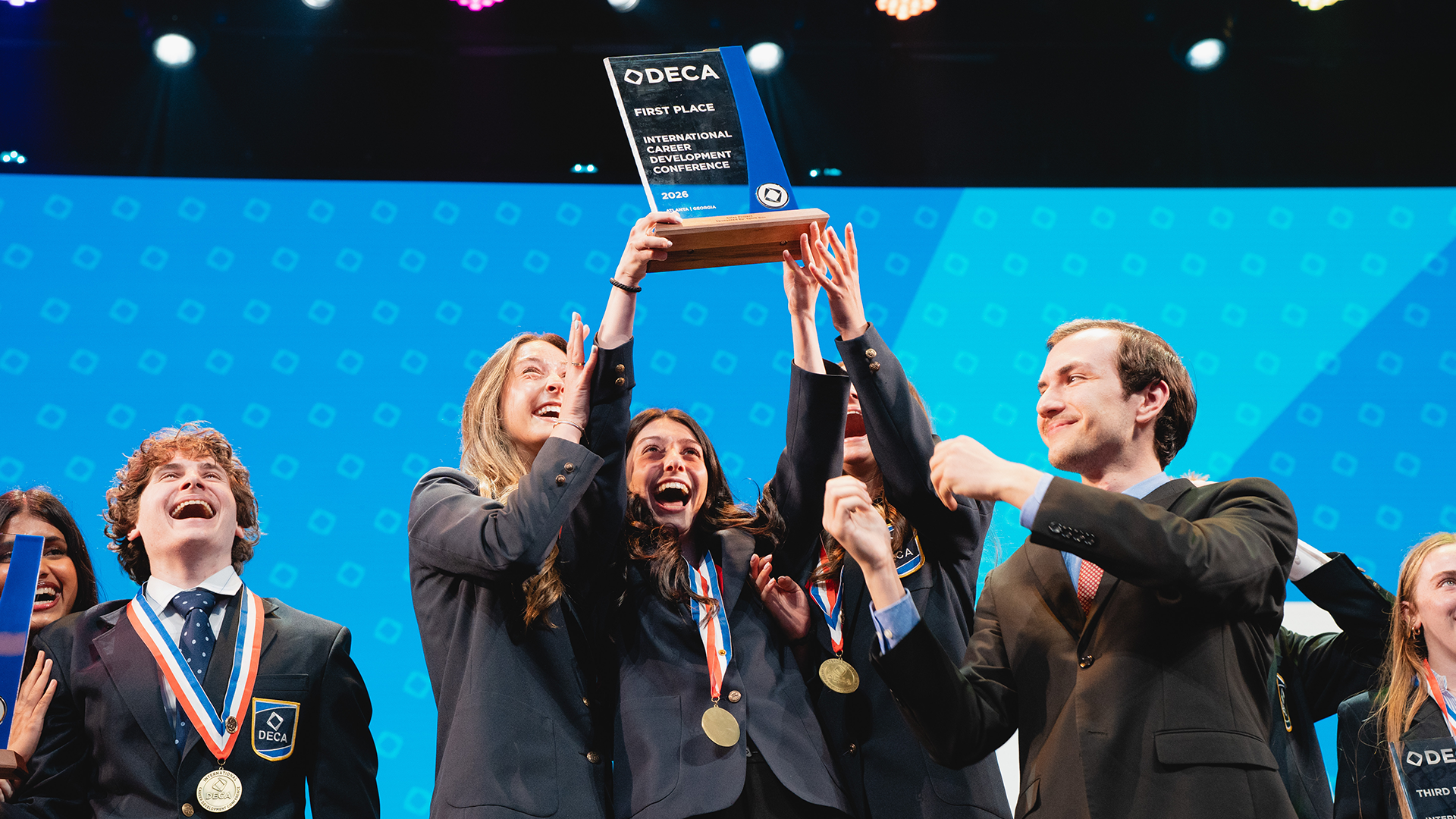
Best of luck turning your goals into glass!