By Kanika Agarwala, @deca.kanika | Burlington High School, MA
The most successful competitors don’t study harder; they study smarter. Here’s how to prepare efficiently, build real-world knowledge, and stand out in your next role-play.
1. Set Intentional, Realistic Goals
Before you start studying, set clear goals to track your progress. Focusing on little, consistent progress is much more effective than cramming the night before.
Here are some examples of realistic goals:
- Answer 10 practice exam questions a day (perfect for homeroom or study hall)
- Learn 1 Performance Indicator per day (takes 5–10 minutes)
- Practice 1 full role-play every other week (ask an advisor or a friend to help you!)
- Watch 1 business-related video per week
Over time, you will build your DECA and business knowledge, and your role-plays will get much stronger.
2. Master the Performance Indicators (Not Just Memorize Them)
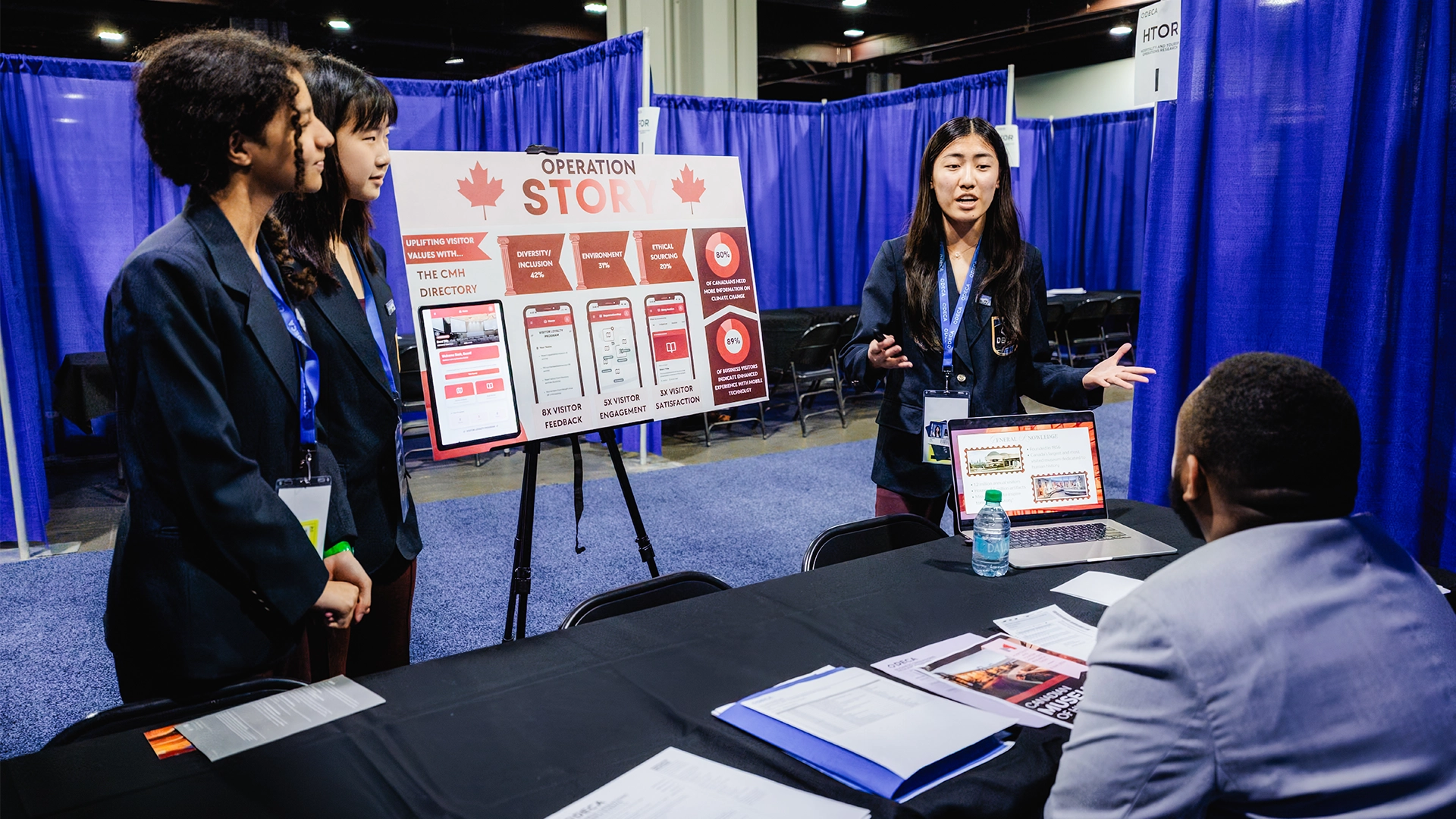
Performance Indicators are the core of DECA role-plays. Judges score you directly on how you address them. Memorizing performance indicators can help you understand what they mean, but you must be able to apply them to a broad range of scenarios to solve problems.
To truly master PIs:
- Rewrite them in your own words
- Think of real-world examples for each one
- Practice explaining them out loud like you’re talking to a judge
If you can confidently apply a PI to a scenario instead of just naming it, you’re already ahead of most competitors.
3. Build Business Knowledge Outside of DECA Materials
While studying your performance indicators is a great way to get started, learning more about your industry can really bring you to that next level. Here are some easy ways to start building your knowledge:
- Listen to podcasts from business professionals
- Read/watch the news
- Follow business/marketing accounts on Instagram, TikTok and YouTube
- Read books!
When you reference real strategies or trends, judges notice. It shows you understand your industry.
4. Reflect After Every Role-play
After every practice role-play, reflect on how it went.
- What went well?
- Where did I hesitate or get stuck?
- Which PIs did I use effectively?
- What would I do differently next time?
Write these reflections down. By improving specific parts of your role-play over time, you will be guaranteed to be more confident, more composed and have a better overall role-play in front of the judge on competition day.