Prepare your students for success beyond the classroom with industry-recognized skills, real-world learning experiences, and credentials that help them stand out in college, careers, and the future workforce. Discover more resources from IBM SkillsBuild here.
The Future-Ready Business Challenge
Place students in the role of business consultants and challenge them to determine how an emerging skill or technology could help an organization solve a real problem.
Begin by having students explore an IBM SkillsBuild topic such as artificial intelligence, cybersecurity, digital literacy, workplace readiness or professional skills. Students should complete a selected learning experience or review relevant IBM SkillsBuild resources to build background knowledge.
Then introduce the challenge:
A local business wants to remain competitive as technology and workplace expectations continue to change. Your team has been hired as consultants to recommend how the organization could use one future-ready skill or technology to improve its operations, customer experience, marketing, employee productivity or decision-making.
Step 1: Identify the Business Need
Students select a real business and identify a specific challenge or opportunity it currently faces. Examples might include:
- Improving the customer experience
- Increasing employee productivity
- Protecting customer or company information
- Improving communication
- Using data more effectively
- Reaching customers through new technology
- Preparing employees for changing workplace expectations
➡️ Students should clearly explain why the challenge matters to the organization.
Step 2: Apply an IBM SkillsBuild Topic
Teams connect their selected IBM SkillsBuild topic to the identified business challenge. Students should explain:
- What they learned through IBM SkillsBuild
- Why the topic is relevant to the business
- How the skill or technology could be applied in a real-world setting
➡️ Encourage students to move beyond simply identifying a technology and explain how it could create meaningful business value.
Step 3: Develop a Recommendation
Teams develop a specific recommendation for the organization. Their strategy should explain:
- What the business should do
- How the recommendation would be implemented
- Who would be involved
- What resources or training may be needed
- How customers or employees could be affected
➡️ Students should be prepared to explain why their recommendation is realistic and appropriate for the organization.
Step 4: Consider Risks and Challenges
Ask students to evaluate potential concerns connected to their recommendation. Depending on the topic, students might consider:
- Cost
- Employee training
- Cybersecurity
- Data privacy
- Ethical concerns
- Customer trust
- Resistance to change
- Accuracy of AI-generated information
- Over-reliance on technology
➡️ Students should identify at least one potential challenge and explain how the organization could address it.
Step 5: Measure Success
Teams identify at least two ways the business could determine whether the recommendation is successful. Possible measures may include:
- Customer satisfaction
- Employee productivity
- Sales or revenue
- Engagement
- Time saved
- Reduced errors
- Cost savings
- Customer retention
- Employee feedback
➡️ Students should explain why each measure would provide useful evidence of success.
Student Deliverable
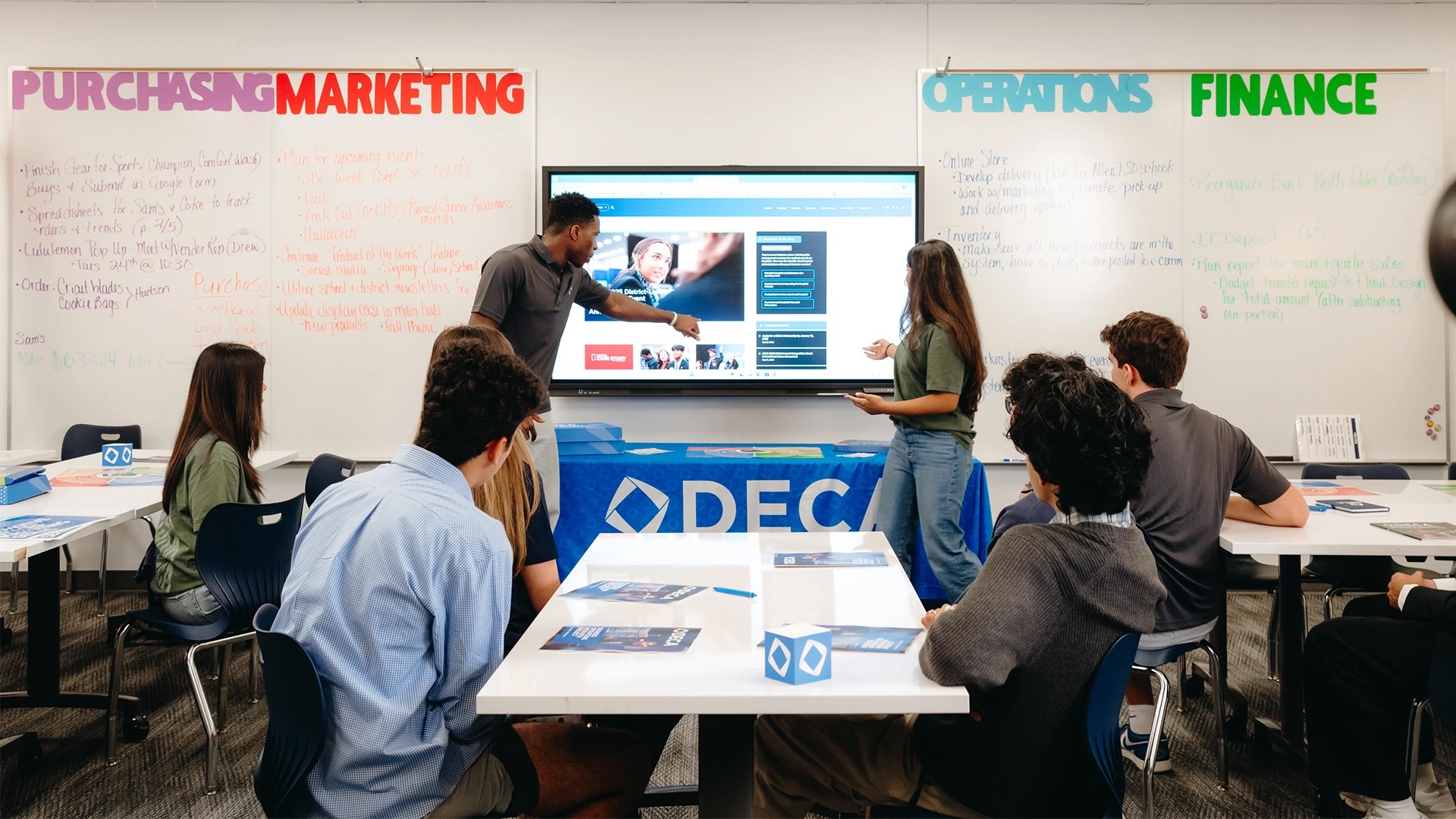
Teams prepare a 3–5 minute consulting pitch for the business owner or management team The presentation should include:
- An overview of the business and identified challenge
- The IBM SkillsBuild topic explored
- The team’s recommended solution
- How the recommendation would be implemented
- Expected benefits
- Potential risks or challenges
- Measures of success
➡️ After each presentation, classmates can serve as the business owner or management team and ask follow-up questions before deciding whether they would implement the recommendation.
Extend the Learning
After presenting, challenge students to revise one part of their recommendation based on the feedback they received. This gives students an opportunity to practice responding to questions, evaluating feedback and strengthening a business recommendation.
Students who complete an IBM digital badge or certification can also add the credential to their resume, portfolio or LinkedIn profile and consider how they would explain the value of that credential to a future employer.