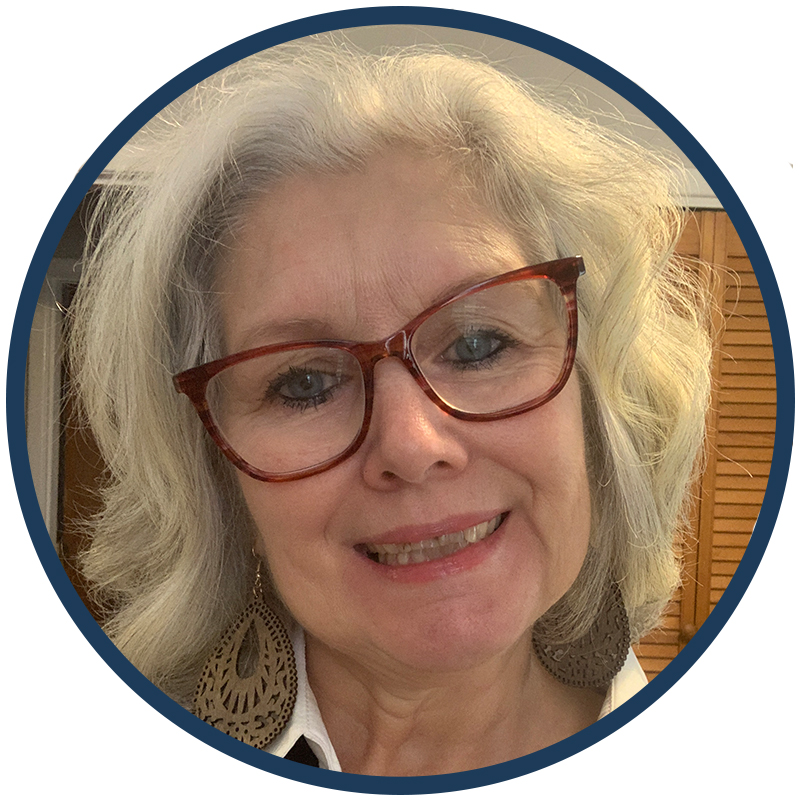
Serving as a DECA advisor often means wearing many different hats to ensure chapter success. That's why North Carolina DECA advisor Tammy Cox implemented a student-led project management structure for Cape Fear's chapter events and initiatives. Little did she know the extent to which the structure would affect member growth and the chapter's overall culture.
Tammy Cox is passionate about DECA and what it can do for her students. Her belief in the idea that there is no "I" in team has transformed chapter culture, providing her diverse group of members with a space to share their interests and goals while developing real-world management skills. The Cape Fear DECA chapter follows a project management structure that increases student ownership, leadership development and overall event success, while also reducing advisor burnout.
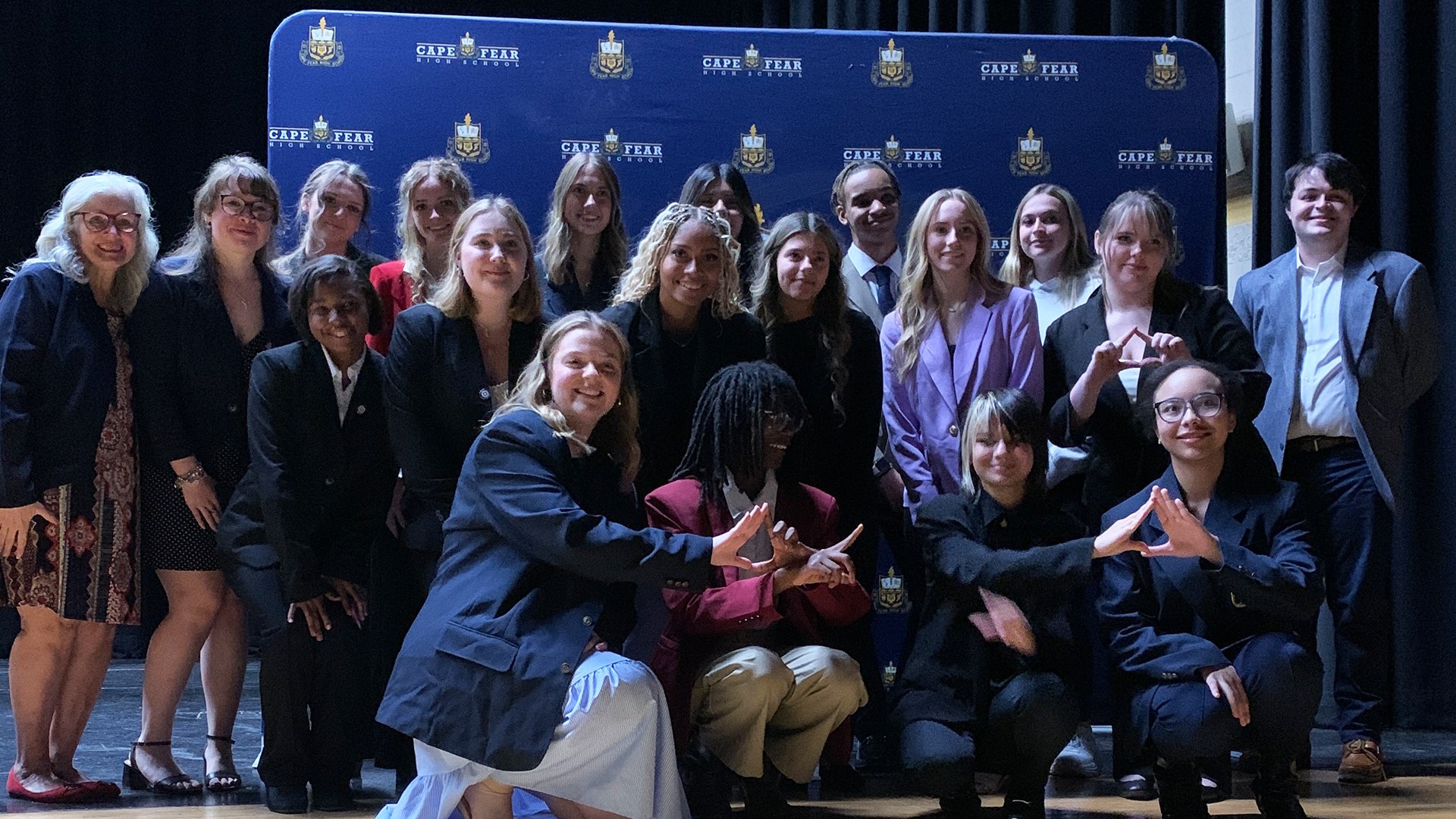
Here is a look at the step-by-step process that Cape Fear DECA follows:
- Establish Leadership Teams: Create specific committees within the chapter (marketing, finance, community outreach, inventory, etc.) and select a committee manager who will be responsible for leading the committee throughout the year. Then, assign chapter members to a committee.
- Resource used: Remind app, email and DECA Canvas course for communication.
- Use Project Management Tools: Each committee then creates a work breakdown structure with work packages, task lists, project managers, team members and progress trackers using a project planning template. These tools are used daily for organization and clear communication.
- Resource used: Project planning templates and checklists.
- Set Clear Milestones and Checkpoints: Schedule regular progress meetings where committee managers report updates, identify risks and adjust plans/request assistance when needed.
- Incorporate Reflection and Quality Review: After each event, all team members complete a "lessons learned" reflection evaluating participation, outcomes, challenges and improvement opportunities by looking at what worked and what could be changed in the future.
- Resource used: Lessons learned reflection.
- Build Community Partnerships: Encourage committees to collaborate with local businesses or organizations for sponsorships, guest speakers or event support through the school and community. Remind members to write thank-you cards after events to express gratitude to partners and sponsors for their support.
- Resource used: Thank you cards.
Tammy's role in the system is to serve as the mentor and support system. Her goal is to create opportunities for members to make decisions, develop skills and learn from their experiences. She emphasizes the importance of communication and implements reflection periods to keep members on the same page.
"As an advisor, it can be difficult to allow them to make mistakes, but this is how they learn. I will never ask my members to do anything that I am not willing to do myself."
This structure has been applied to events such as induction ceremonies, chapter socials, practice for competitive events and community service events. Through the system, these events reinforce shared values among members while creating a connected, motivated and professional chapter environment.

Now, the process that Cape Fear DECA uses isn't a "one size fits all" method, but it can be easily modified to fit other chapters. Some ways to do this would be through adjusting committee sizes, selecting tools based on their chapter's needs and starting with one student-led event before expanding the model to the whole chapter.
As a result of the project management structure, Cape Fear DECA members have shown growth through leadership skills, professionalism, confidence and teamwork. Their commitment to DECA has increased with consistent participation and engagement, creating a chapter culture that is connected and positive.
Do you know an advisor with an innovative best practice? We want to hear about it! Nominate him or her today to be featured in our next Best Practice Spotlight of the Week.