Whether you’re helping a shopper find the right product, answering a guest’s question or resolving a concern, great customer service starts with understanding people. Customer Service Week, October 5–9, 2026, is a chance to recognize the importance of these everyday interactions and the skills DECA members can build now to succeed in future careers.
Why Customer Service Matters
No matter where your career takes you, strong service skills will help you succeed. Customer service means supporting customers before, during and after a purchase. It involves answering questions, explaining options and helping solve problems.
A positive experience can build trust, encourage repeat business and inspire customers to recommend a company to others. In retail, hospitality and beyond, how you treat people can be just as memorable as the product or service you provide.
Five Skills to Build Through DECA
Strong customer service takes practice. Here are five skills you can develop through your DECA experiences:
- Active listening: Listen closely to understand someone’s needs before offering a solution. Practice by giving teammates your full attention and asking thoughtful follow-up questions.
- Clear communication: Explain ideas confidently and concisely. Competitive event presentations and role-plays give you opportunities to organize your thoughts and communicate recommendations.
- Empathy: Consider another person’s perspective. When working through a business scenario, consider how the customer feels and what would improve their experience.
- Professionalism: Stay respectful, dependable and composed, even when a situation is challenging. Practice through chapter responsibilities, teamwork and interactions with judges or community members.
- Problem-solving: Evaluate options and recommend practical solutions. DECA’s case studies and role-plays challenge you to think on your feet, just as you might when handling a customer concern.
Put Your Skills to Work
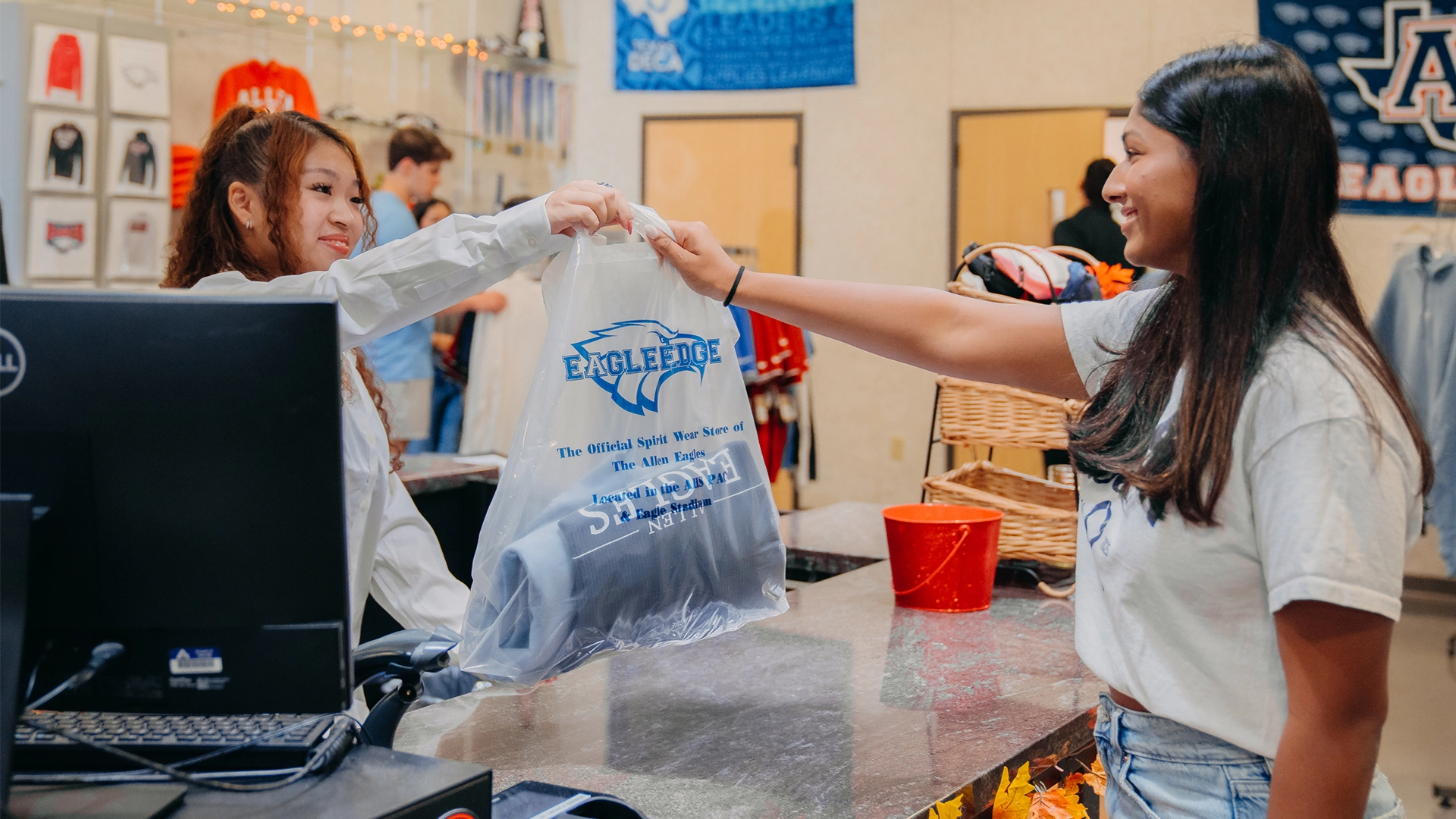
If you work in a school-based enterprise, each customer interaction is a learning opportunity. Help someone choose a product, explain a promotion or respond thoughtfully to feedback. Notice what works and discuss improvements with your team.
You can also practice through chapter fundraisers, volunteer activities and part-time jobs. Take responsibility, follow through on promises and ask for feedback on how you communicate.
These experiences give you examples to share in future interviews. Rather than simply saying you have strong people skills, you can explain how you helped a customer, addressed a problem or worked with others to improve an experience.
Customer Service Case Studies & Role-plays
Want to practice your customer service and problem-solving skills this week? Take a look at a few customer service-related DECA Case Study of the Week samples below to use in the classroom or as extra practice.
- Pausing Operations to Strengthen Customer Service
- Maintaining Customer Service During Peak Times
- Customer Reviews for Custom Pottery
- The Customer Before the Coin
- Laney Bee's Customer Service Send-off to the Competition
Additionally, here are a few DECA role-plays with a customer service instructional area to practice with:
- DECA BLTDM 2026 District Event
- DECA FMS 2026 District Event
- DECA PBM 2026 District Event
- DECA HTDM 2026 District Event
- DECA RFSM 2026 District Event
- DECA SEM 2026 District Event
- DECA TTDM 2026 District Event
Take the Customer Service Week Challenge
During October 5–9, choose one skill to practice intentionally. Ask an extra question before recommending a product, give someone your undivided attention or help your SBE team identify a way to improve service.
Your next step toward a retail or customer service career can start with the experiences you’re already gaining in DECA—and one thoughtful interaction at a time.