By Carson Alexander | @deca.carson | Memphis University School, TN
“We are so back.”
With the month of October and fall weather in full swing, it can only mean one thing: Basketball. Is. Back.
The National Basketball League kicked off its first games of the 2026-2027 season on Tuesday, October 20, headlined by the reigning champions, the New York Knicks, taking on the newly built “superteam,” the Philadelphia 76ers, led by LeBron James. Viewership for that game is estimated at around 7-8.5 million people, which is not surprising, given the NBA’s recent media deal, the largest in its history.
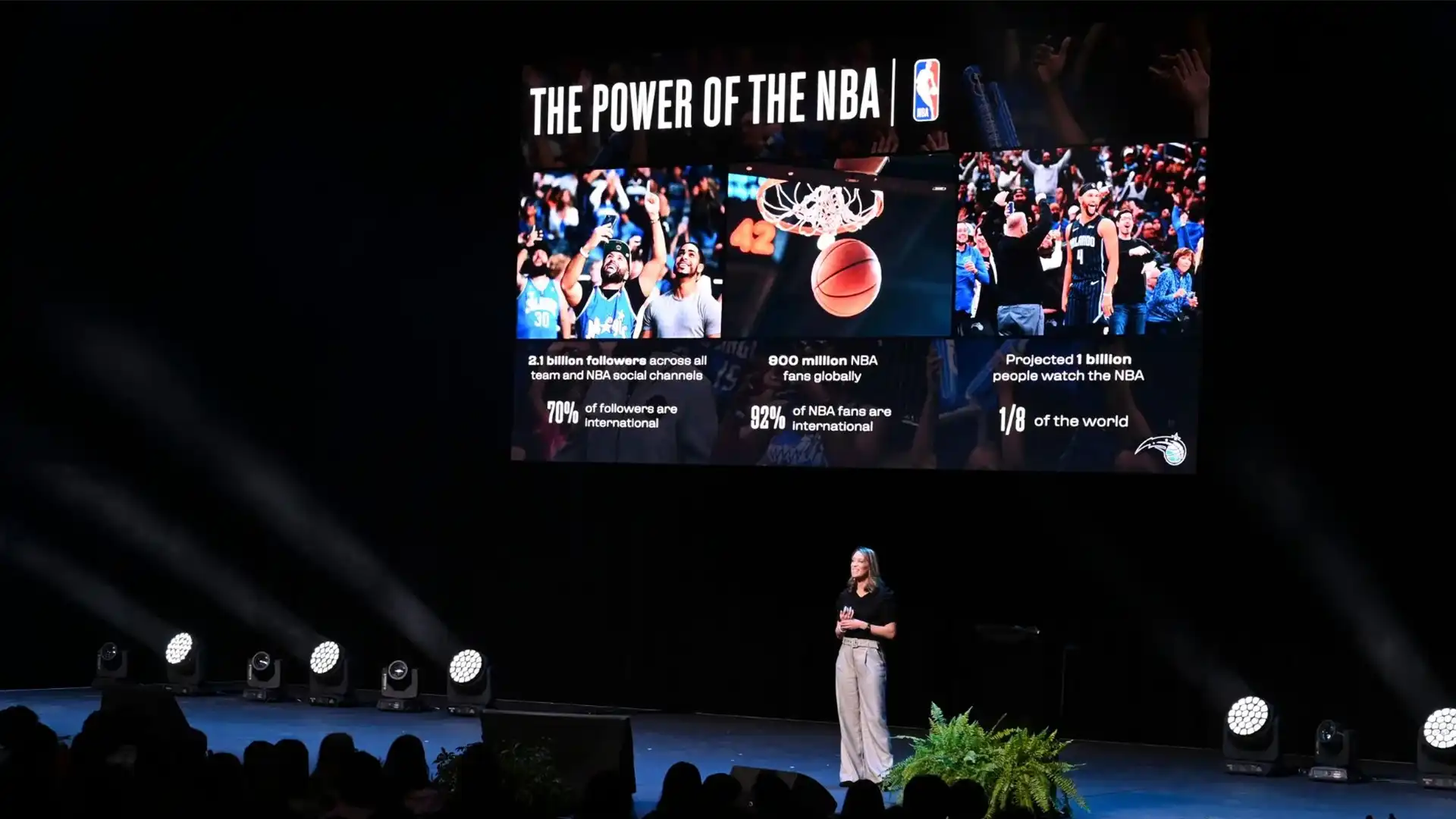
The July 2024 deal was finalized for 11 years at $76 billion, partnering the organization with Disney – including ABC and ESPN – NBC and Peacock, and Amazon Prime Video for finals coverage through 2036, Sunday Night Basketball and 67 regular-season games. The results speak for themselves: the luxury of 50 more free television games led to a 7-year high in viewership, with an overall 16% increase. As the NBA season begins, this article analyzes one of the biggest sports media deals in history and its winner: free TV.
Everyone assumes the future of media is streaming exclusives. Amazon Prime Video, Netflix, and Disney account for 22.5% of television viewership in the United States, and the latter of those three platforms also includes Hulu and ESPN under its umbrella. However, broadcast TV alone at 19.2% also takes up a large share, a fact driving the NBA’s thesis in signing its 2024 deal. The National Basketball Association checked its numbers and did the opposite of what everyone else was thinking and chose to go after free TV. NBC’s over-the-air signal reaches about 85.8 million American households, while traditional and virtual pay-TV platforms combined reach about 64.8 million. That gap of more than 20 million homes forms the center of the argument and resulted in the prolific deal.
The agreement’s first season is now in the books, and the numbers moved in the NBA’s favor. League-wide viewership averaged 1.78 million per game, up 16% from 1.53 million; NBC’s package averaged 2.8 million, up 109% over comparable telecasters the year before; and the opening night drew 5.61 million, the most-watched opening night in a decade. It is worth noting that not every statistic saw positive gains, and the sources of growth were not always organic. ABC’s NBA viewership actually fell 14% to 2.3 million per game, and part of NBC’s increase came from a Nielsen measurement upgrade rather than from new viewers. Despite this, the direction is still clear, and the numbers back the NBA’s decision.
Every distribution decision is the same tradeoff: reach or control. While reach can mean more people see you, someone else owns the relationship. Conversely, control means you own the customer, even if you pay for everyone who finds you. A brand choosing 2,000 Target stores and its own website is making this call; likewise, an artist deliberates the same when choosing between a label and an independent release.
The NBA’s case is no different. When the league had the opportunity to chase exclusivity, it went the other way, and its logic lies in evaluation of the assets at the organization’s disposal. Instead of subscription revenue, the kid who becomes a season ticket holder in 2040 becomes the driving factor, and he must be able to find a game without a parent’s credit card.
For all my DECA members, the NBA provides a perfect case study into channel strategy. “We should be everywhere” is not a defensible argument; the specific trade named out loud with a defensible reason for the side you picked is. Being able to explain why the NBA agreed to this deal takes about thirty seconds, and it will separate you from every competitor who can only say their marketing strategy is “maximizing exposure.”